
Period Home Painting Melbourne
Victorian, Federation, Edwardian, bungalow and interwar homes, painted in colours that suit their era.
Hillcrest Painting and Flooring Services paints period homes across Melbourne's eastern suburbs: Victorian, Federation and Edwardian houses, Californian bungalows and interwar homes. Steve quotes every job himself and is on the tools, not a subcontracted crew, with over 30 years' experience.
Period homes need two things a standard repaint doesn't: colours that suit the era of the house, and careful preparation of the timber details that make it what it is. This page explains both, using the Heritage Council of Victoria's guide to Victoria's housing styles.
What's Included
Period Home Painting Services
From fretwork to the front door, one free written quote sets out exactly what's being painted.
Victorian homes
Brickwork, render and timber trim, with stronger traditional trim colours.
Federation and Edwardian
Fretwork verandahs, gable battens and cream weatherboards.
Californian bungalows
Light walls, brown or dark green trims, and stained details.
Interwar homes
Lighter, simpler schemes for 1920s and 1930s houses.
Preparation
Careful scraping, filling and priming of old timber detail.
Ready to talk about your home? Steve will come and have a look, and you'll get a free written quote.
OUR EXPERIENCEOver 30 years painting Melbourne's eastern suburbs
30+ years experience across both painting and flooring
$10 million public liability, with free written quotes
Free colour consultation included with every job
Steve is on the tools, not a subcontracted crew
OUR SPECIALITY
Heritage Colour Schemes by Era
Each era of Melbourne housing had its own palette. The Heritage Council of Victoria's guide, What House is That?, sets out the traditional exterior colours for each style.
Victorian (1840 to 1901)
Victorian houses typically paired red or brown brick, or natural rendered walls, with darker, stronger trims. By the Late Victorian period (1875 to 1901), trim colours had become stronger and more vivid, and the era's palette included colours such as Deep Brunswick Green and Deep Indian Red.
Federation and Edwardian (1895 to the First World War)
Federation homes usually have red brickwork that was rarely painted, with timber weatherboards in cream. Gable battens were painted a dark colour, and other woodwork cream, brown or green. Edwardian houses often add cream-painted render to the base and gable ends, and verandahs with timber fretwork.
Californian bungalows (1910 to 1930)
Bungalows typically have red brick or light-painted timber walls, with trims in tones of brown or dark green, and stained shingles in the gable ends.
Interwar (1918 to 1939)
Interwar homes moved to lighter tones, and as more colours became available, schemes became increasingly varied.
The guide lists each traditional colour with its Australian Standard AS 2700 code, such as Deep Indian Red (R64), which is the most reliable way to match a heritage colour when ordering paint. See our exterior painting service for how we prepare and paint the outside.
Also covered
Finding Your Home's Original Colours
The most accurate guide to a house's original colours is the house itself. A paint scrape, where layers of paint are carefully scraped back, can show the earlier colour schemes underneath. City of Port Phillip's heritage guidance notes that traditional schemes used a limited range of colours until the Second World War, broadly in two families: red and brown, and green.
If your home is in a heritage overlay, check whether paint controls apply before changing colours. Our Balwyn painters page explains when a permit is needed and what to know about lead in older paint, and our Camberwell heritage precincts page explains how to look up your home's overlay. Inside, period homes are painted with the same care. See our interior painting page.
What it costs
How Much Does Period Home Painting Cost?
There's no flat rate, because every home is different. These are the things that move the price:
Detail: fretwork, brackets, gable battens and decorative trim take longer to prepare and paint.
Number of colours: a traditional scheme with separate wall, trim and accent colours means more cutting in.
Timber condition: old weatherboards, sills and sashes often need more preparation.
Approvals: homes in a heritage overlay may need a permit if paint controls apply.
Inside, outside or both: a whole-home repaint is quoted as one job.
We don't price a job until we've seen it. You'll get a free written quote that sets out what's included.
How a job works
1. Call or request a quote: tell us what you'd like painted.
2. Steve visits: he looks at the surfaces and talks through colours. Colour consultation is included.
3. Written quote: you get a free written quote that lists exactly what's included.
4. The painting: Steve is on the tools, and the space is cleaned up at the end of each day.
What Our Clients Say
Trusted by Homeowners Across Melbourne
★★★★★
“Steve did an excellent job and we are totally satisfied with his work. We arranged for Steve to do a complete re-paint of our Edwardian house, both an interior and exterior re-paint. We were particularly pleased that he turned up when he said he would. A particularly nice touch was that as the whole project turned out to be less work than anticipated at the outset, Steve adjusted the final cost downwards.”
★★★★★
“Steve and his team at Hillcrest have been a pleasure to have in our home. A couple of months ago we embarked on a restoration of our home which included all external and internal painting. Having the right team work with us and fit in with our family was important. Steve and Michael have been very professional, great communication with us, responsive and flexible to our needs and to any changes We would highly recommend Hillcrest to anyone looking for great tradespeople (painting and flooring) who know how to do technically proficient work and are just good people to have in your home.”
Recent Work

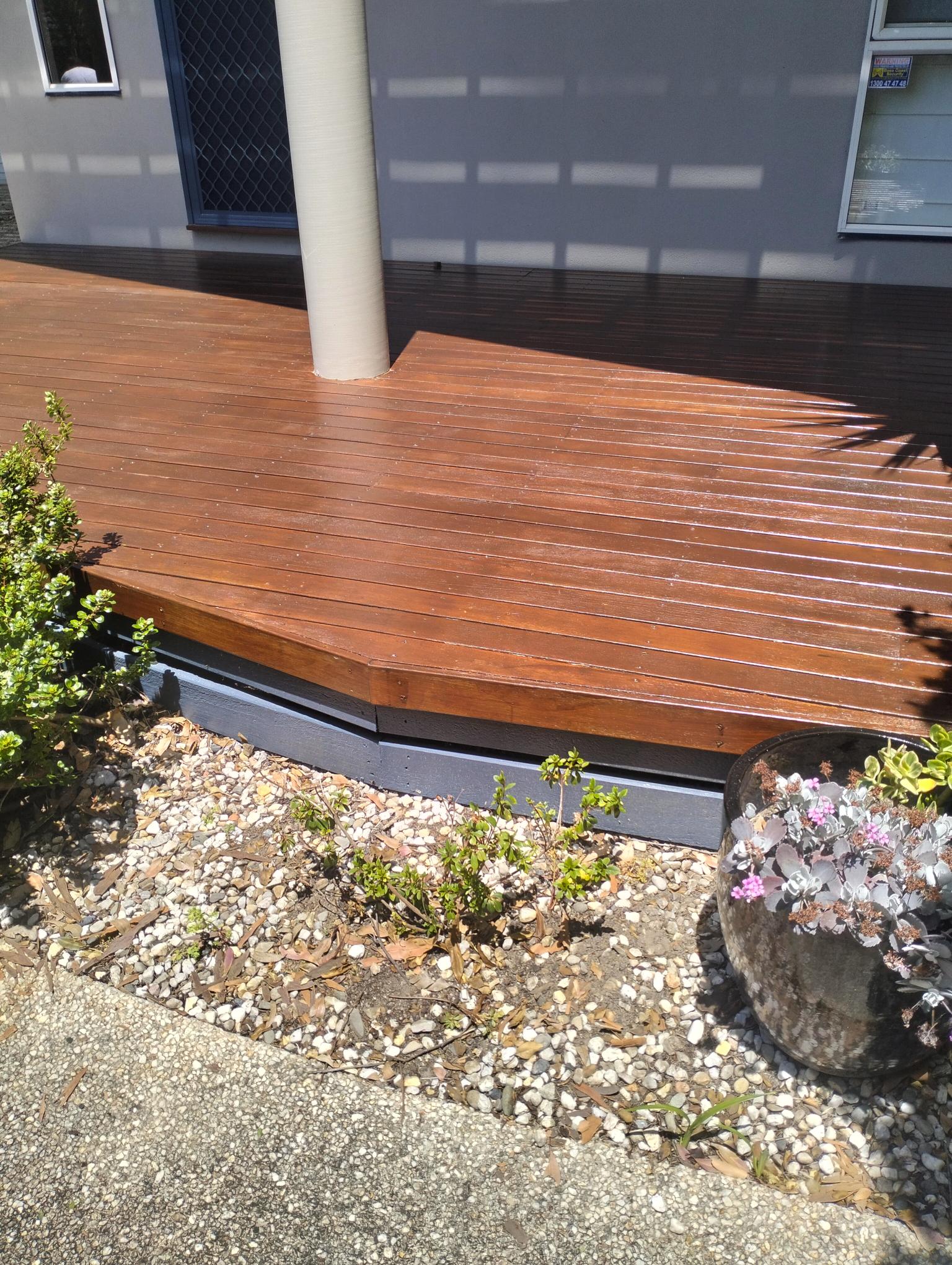


Where We Work
Painters in Nearby Suburbs
We paint period homes across the eastern suburbs, including Kew house painters, period homes in Canterbury, Surrey Hills house painters, painters in Hawthorn and Auburn painters. For whole-home projects, see our residential painting in Melbourne. In Stonnington, see our Malvern painters page.
Common Questions
Frequently asked questions
What colours suit a Federation house?
Traditionally, red brick left unpainted, cream weatherboards, gable battens in a dark colour, and other woodwork in cream, brown or green, according to the Heritage Council of Victoria's guide to housing styles.
What are traditional Victorian house colours?
Victorian houses typically paired red or brown brick, or natural render, with darker, stronger trims. The Late Victorian palette included colours such as Deep Brunswick Green and Deep Indian Red.
What colours suit a Californian bungalow?
Bungalows traditionally have light-painted timber or red brick walls, trims in browns or dark green, and stained shingles in the gable ends.
How do I find my house's original colours?
A paint scrape, where layers of paint are carefully scraped back, can reveal earlier colour schemes. Match the colours using their Australian Standard AS 2700 codes when ordering paint.
Still have a question? Call Steve, or ask for a free written quote.